Tree removal in NYC works in four steps: a free on-site assessment, controlled removal by a licensed crew, optional stump grinding, and debris cleanup, with permit paperwork filed first if the tree is on city property. Most residential jobs finish in a single day; tight-access or large removals can take longer. Price depends on the tree’s height and trunk size, how close it stands to structures or utilities, how hard the site is to access, and whether stump grinding or permit filing is included. Dragonetti Tree Removal handles dead, storm-damaged, leaning, and hazardous trees across Brooklyn tree removal, Queens tree removal, Bronx tree removal, Manhattan tree removal, and Staten Island tree removal, with same-day emergency service available 24/7.
Dragonetti Tree Removal provides professional tree removal services in NYC for private properties, commercial sites, tight-access yards, and hazardous trees that need controlled dismantling.
As a licensed, local, family-owned tree removal company with over 40 years of experience, Dragonetti evaluates the tree condition, access, nearby structures, utilities, cleanup needs, and any permit questions before recommending the safest removal plan. The goal is simple: remove the hazard, protect the property, and leave the site clean.
Choose Dragonetti Brothers
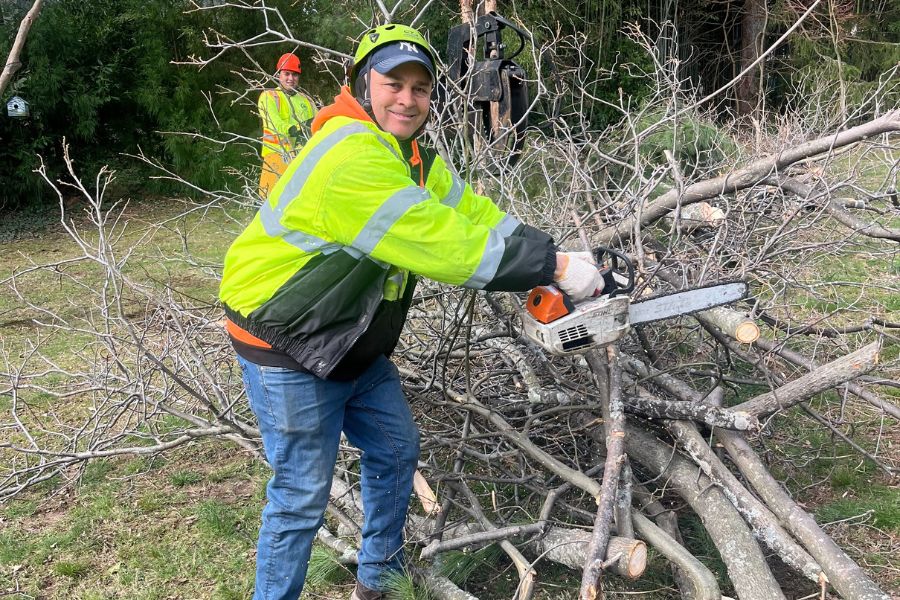
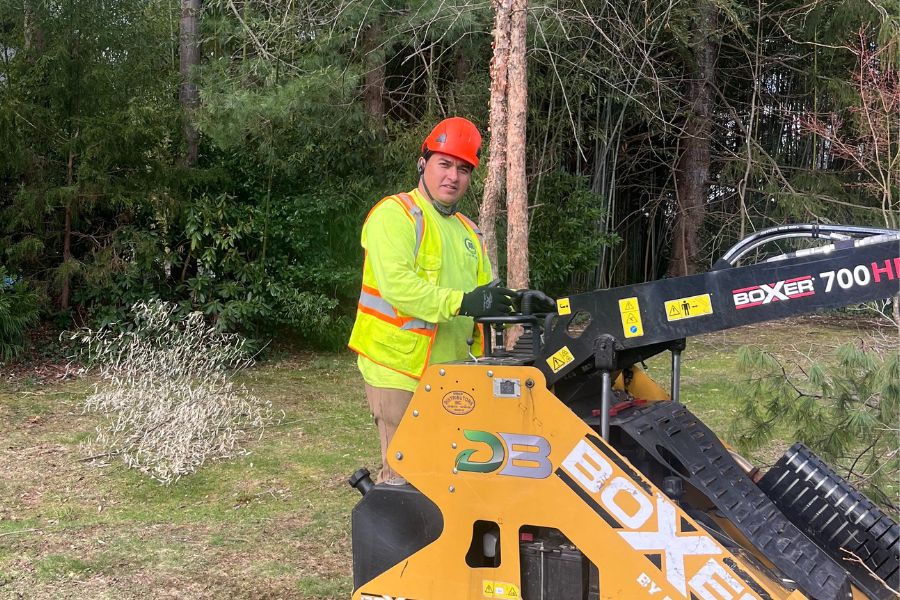
Why choose Dragonetti Brothers for local tree removal services? We take tree care extremely seriously. We consistently adhere to and surpass the standards set by organizations like the Tree Care Industry Association and the International Society of Arboriculture. When you hire our professional tree cutters, you benefit from fully insured and licensed tree experts who excel in caring for trees. And, when necessary, quickly and efficiently remove them with minimal disruption to your landscape or property.
Our team can help determine whether NYC Parks or other city approvals may apply, prepare required paperwork where needed, and recommend the safest removal approach for your property.
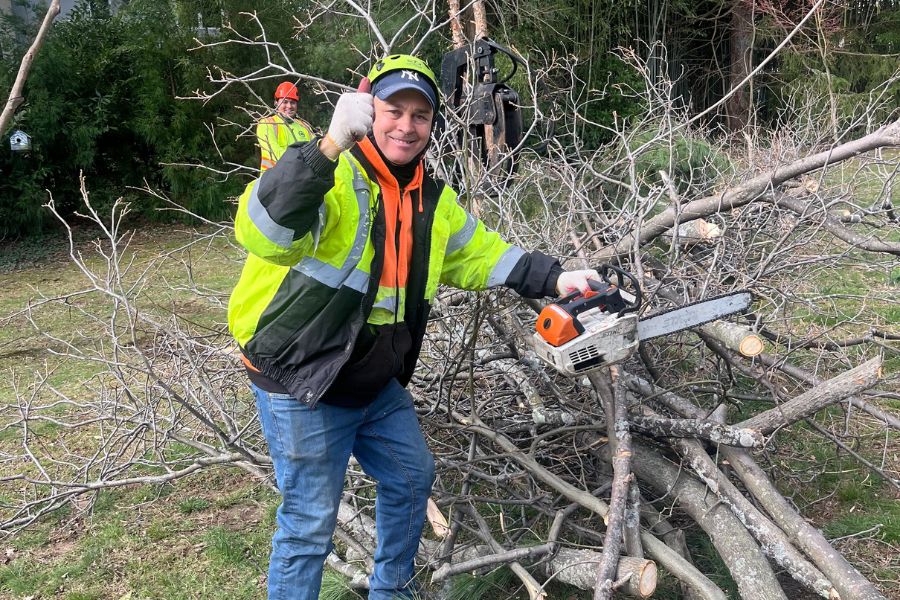
TREE REMOVAL SERVICES WE PROVIDE
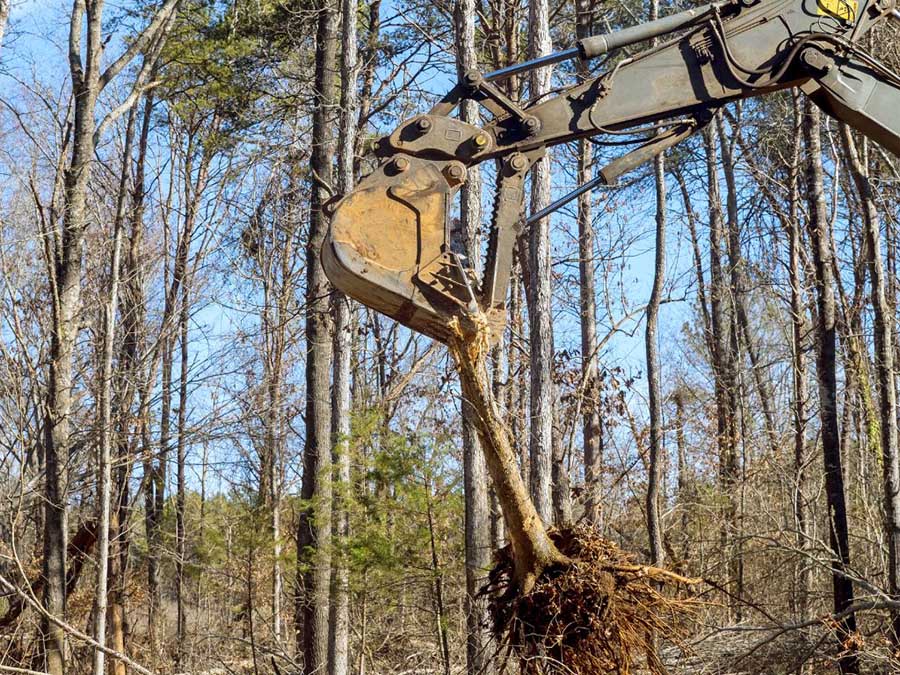
- Full Tree Removal: Our services extend beyond shrubs and young trees. We expertly handle large tree removal, even those weighing 50 pounds or more. Efficiently cutting tree roots and limbs cluttering your property is part of our professional tree cutting services. Additionally, we specialize in dead tree removal for any dangerous reason. Such as when a tree is leaning, tree is lifting your pavement, your tree isn’t growing leaves, or when a tree is too close to your home.
- Permits: Complete your tree removal with our tree removal permit services. When permits are needed, we can help prepare and submit paperwork and coordinate with the appropriate city agency. Final approval and timing are controlled by the city. For street trees or public property, review NYC Parks tree work permit guidance.
- Commercial Tree Removal: We proudly offer commercial tree removal services. As with our residential services, we provide large tree removal, dead tree removal, hazardous tree removal, and overgrown roots or limb removal. We make sure that communication and coordination go smoothly with property managers. COI and photographic documentation can be provided if required.
- Stump Grinding: The tree is gone, but the stump remains. But not for long. When you hire Dragonetti Tree Removal, we have the tools and techniques to perform fast, effective, complete grinding of left over tree stumps.
- Same-Day Emergency Removal: For urgent situations like storm-damaged trees, our same-day emergency tree removal services are available 24/7.
- Tree Planting Service: Out with the old, in with the new. We can replace your old, poorly located, damaged, or sick tree with a brand-new, young tree. Not only will it look great, but have great growth potential, and be an aesthetically pleasing addition to your landscape.
- Landscaping: Speaking of landscaping, if you’re worried about how your lawn or yard will look once that large tree is finally gone, talk to us about our landscaping services. We’ve built our reputation on them and will be happy to design a great landscape plan for you.


When Tree Removal Is the Right Choice
Not every tree problem requires removal. A healthy tree with overgrown branches may only need tree pruning, while a questionable tree may need a tree risk assessment before any cutting begins. Removal becomes the better option when the tree is dead, structurally unstable, repeatedly dropping large limbs, damaging hardscape, leaning toward a structure, or creating a safety risk that pruning cannot solve.
- Dead or declining trees: large dead limbs, peeling bark, fungal growth, hollow areas, or major canopy loss.
- Storm-damaged trees: cracked trunks, hanging limbs, root lift, or trees leaning after heavy wind or rain.
- Property conflict: trees growing too close to roofs, foundations, fences, driveways, sidewalks, or utility areas.
- Access and cleanup needs: tight yards, commercial properties, and large removals that require controlled rigging.
How Our Tree Removal Process Works
Every removal starts with a site review. Dragonetti checks the tree size, lean, canopy weight, decay, nearby structures, equipment access, and whether stump grinding, wood removal, or permit help should be included. For complex removals, the tree may be dismantled in sections instead of dropped in one piece.
After the tree is down, the crew can remove debris, cut wood into manageable pieces, chip branches, or coordinate stump removal. If the tree is an immediate hazard, the job may be handled through emergency tree removal instead of a standard scheduled appointment.
Related Tree Removal Services
Tree removal often connects with other services. If the tree is not yet unsafe, pruning or cabling may be enough. If the tree is already down, stump grinding and cleanup may be the next step. If a tree is near public property or a street tree, permit guidance may be needed.
- Tree pruning and trimming for clearance, deadwood, and canopy weight reduction.
- Stump removal and grinding after a tree has been removed.
- Tree risk assessment for leaning, cracked, hollow, or questionable trees.
- Tree permit services when city review or paperwork may apply.
Tree Removal Cost in NYC
- Free Estimate: For those seeking a full-service quote, we offer free in-person estimates.
- Assessment: Each quote begins with an on-site review of the tree, access, condition, nearby structures, and cleanup needs.
- Final Quote: Tree removal pricing depends on height, trunk size, location, access, risk level, equipment needs, permits, cleanup, and whether stump grinding is included.
What Changes the Price
| Factor | Effect on Price |
|---|---|
| Tree height & trunk diameter | Taller, thicker trees need more rigging, crew time, and equipment – raises cost |
| Site access | Tight yards, no truck access, or work near power lines add time and labor |
| Proximity to structures | Trees near a roof, fence, or foundation require controlled, sectional removal |
| Stump grinding | Adding stump removal increases the total, but combining it with removal usually costs less than a separate visit |
| Permit requirements | Street trees or protected trees needing city permit filing add paperwork and processing time |
| Debris removal | Hauling away wood and chips versus leaving them on-site changes the final price |
FAQs
Removal may be needed when a tree is dead, severely leaning, cracked, hollow, uprooting, repeatedly dropping large limbs, or damaging nearby structures. If the tree may still be healthy, a tree risk assessment can help determine whether pruning, support, or removal is the safest option.
Tree removal and stump grinding are separate services, but they can often be planned together. If you want the area cleared for planting, landscaping, a driveway, or safer foot traffic, ask to include stump removal with the estimate.
Permit needs depend on where the tree is located and whether public property, a street tree, sidewalk access, or other city rules are involved. Dragonetti can help review the situation and point you toward tree permit services when paperwork or city coordination may be required.
Yes. Tight-access removals are common in NYC. The crew may use controlled cutting, rigging, smaller sections, and careful debris handling to protect nearby roofs, fences, sidewalks, parked cars, and neighboring properties.
If a tree has fallen, split, shifted at the roots, or is hanging over a structure or walkway, keep people away from the area and request emergency tree removal. Urgent tree work is handled differently from a routine scheduled removal.
We’re out in all conditions because waiting isn’t always an option. A cracked limb hanging over a driveway after a storm doesn’t care if the roads are slick. Our crews are trained for winter operations, equipped with studded boots, low-ground-pressure equipment, and chainsaw setups that don’t slip in wet bark. We’ve removed trees in three inches of snow with ice glaze on branches, and we do it safely. If there is a weather exception where it is truly unsafe for our team, we will delay until conditions improve. But we offer 24/7 emergency services, so we are out in almost anything, and we are trained to work in inclement weather.
We’ve done this dozens of times. Trees with aggressive root systems, like silver maples or willows, can infiltrate septic drain fields or burst irrigation pipes over time. Before we start, we use ground-penetrating radar and utility marking services to locate what’s below.
If we see roots wrapping around a sewer line, we’ll cut them back in controlled sections. We also document the condition of nearby utilities before and after, so if there’s any future issue, you have a record. Most homeowners don’t realize how much damage a tree’s root system can cause underground so we always make sure that damage doesn’t happen on our watch.
Yes, and we’ve done it more than once. When a tree grows through a wooden or vinyl fence, it doesn’t just push it aside, it cracks, warps, and often splits the structure entirely.
We carefully dismantle the portion of the tree embedded in the fence, section by section, using hand tools where needed to avoid tearing the material further. We’ll leave the fence as intact as possible, and if it’s beyond repair, we’ll note that upfront so you know whether to budget for replacement.
We do, and they’re some of the trickiest. A lightning strike doesn’t always kill a tree outright. Sometimes it just cooks the inner cambium layer, leaving the outer bark looking fine while the tree is structurally compromised from the inside. We inspect for vertical cracks, peeling bark, or sudden leaf drop in the weeks after a strike. If the tree is unstable or poses a risk of splitting unexpectedly, we remove it. Even if it looks okay, we advise against keeping it. A lightning-damaged tree can fail without warning months later, especially under wind or snow load. We’ve seen trees that looked perfectly healthy one spring, then collapsed in early summer because the internal damage went unnoticed.
You get to keep it, and we’ll even cut it into manageable lengths for you or turn it into wood chips or mulch. We don’t assume everyone wants it hauled away. Many of our clients in New York use the wood for fireplaces, wood stoves, or outdoor fire pits. If the tree is diseased, like ash infected with emerald borer, we’ll tell you upfront that it shouldn’t be moved due to quarantine rules. Otherwise, we treat the wood like it’s yours, because it is!
(We will recycle the wood if you do not want to keep it).
We handle this every week. New York City and many suburban towns have tree preservation ordinances, especially for heritage trees or those in designated conservation zones. We check the local arborist office, review any permits on file, and sometimes consult with the Department of Parks and Recreation before we even show up. If the tree is protected, we’ll tell you whether removal is even possible, and if it is, we’ll guide you through the application process, including submitting an arborist report signed by our ISA-certified team.